-
Uzbekistan and Belgium: Toward a New Stage of Strategic Partnership with the European Union
2025-10-18 972In October, the President of the Republic of Uzbekistan, Shavkat Mirziyoyev, will pay a visit to the Kingdom of Belgium, during which important decisions are expected to be made that will mark a qualitatively new stage in relations between Uzbekistan and the European Union. In particular, the visit will feature the signing of the Agreement on Enhanced Partnership and Cooperation.
-
The Fergana Valley — A Space of Shared Values and Cultural Convergence
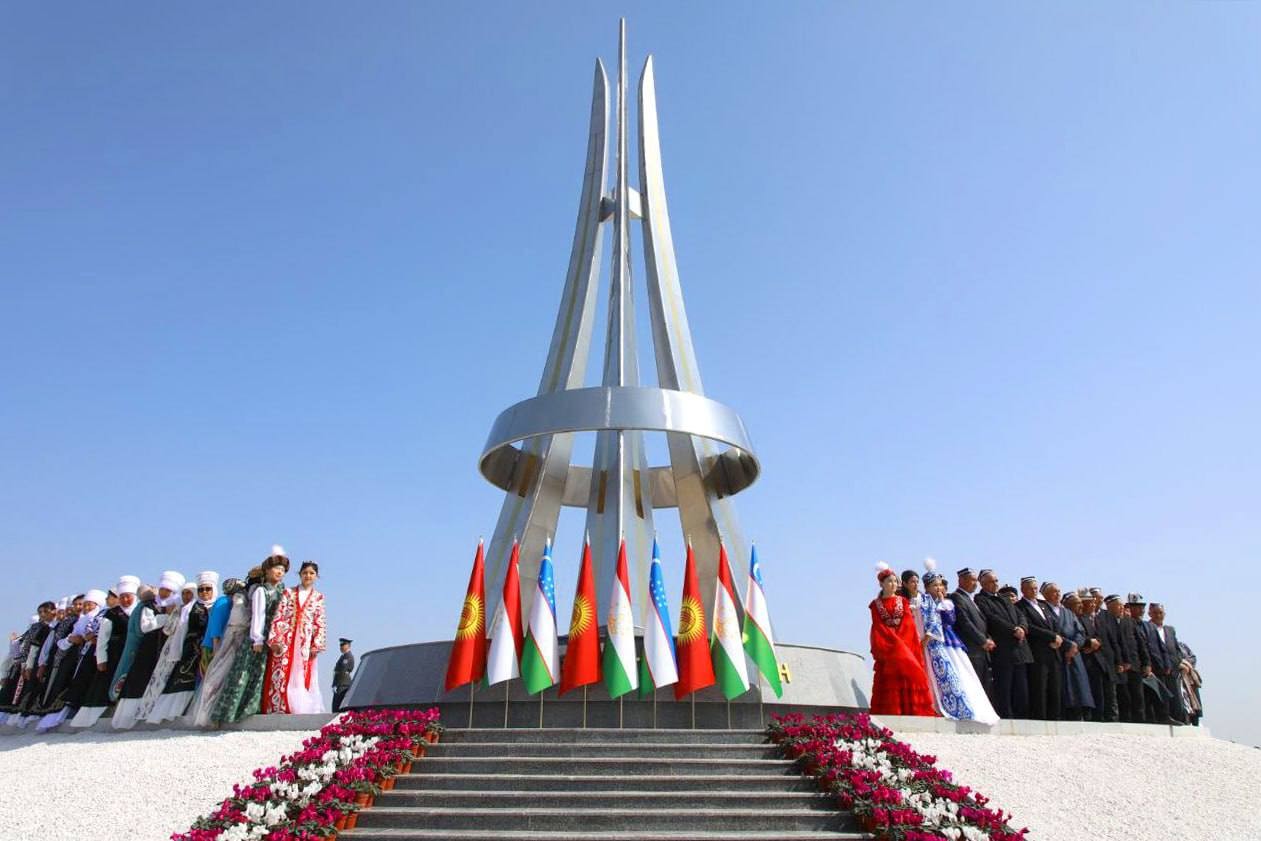
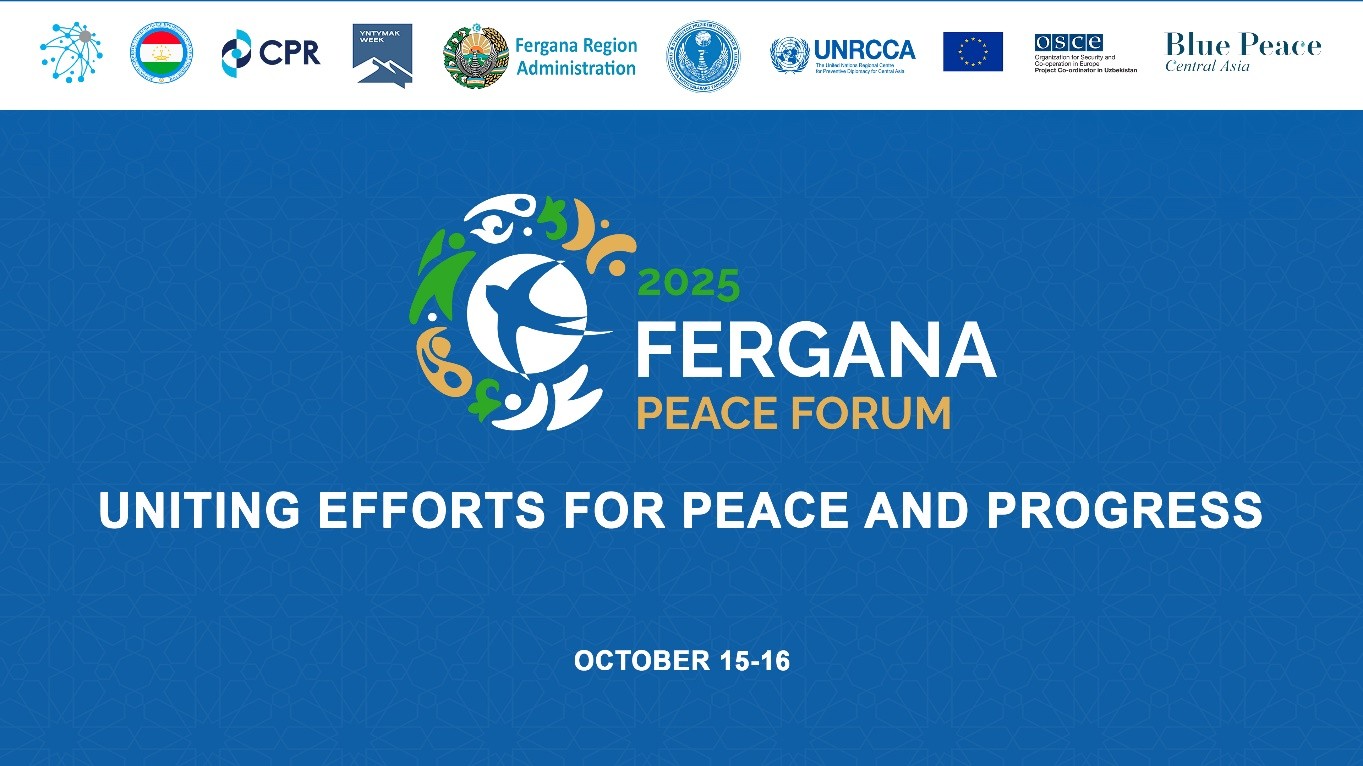
2025-10-18 410On October 15–16, 2025, the city of Fergana will host the inaugural session of the Fergana Peace Forum under the theme: “The Fergana Valley: Uniting Efforts for Peace and Progress.”
-
IF YOU WANT PEACE, BE FRIENDS WITH YOUR NEIGHBORS
2025-10-18 432Experts often use the Latin phrase “si vis pacem, para bellum”, which translates as “if you want peace, prepare for war”. They emphasis that only force can guarantee peace.
-
Fergana to host the First Fergana Peace Forum
2025-10-14 417The first session of the Fergana Peace Forum, titled “Fergana Valley: Uniting Efforts for Peace and Progress” is scheduled for October 15–16, 2025, in the city of Fergana.
Next week, the city of Fergana will transform into a focal point for international dialogue and cooperation, hosting key stakeholders from across the region and beyond. This gathering underscores the city’s growing importance as a center for promoting peace, mutual understanding, and collaborative development in Central Asia.
-
Uzbek initiatives serve to launch a new stage in the transformation of the Organisation of Turkic states
2025-10-15 643On October 6-7 of this year, the 12th summit of the Organisation of Turkic states was held in Gabala, Azerbaijan. Speaking at the event, President of Uzbekistan Shavkat Mirziyoyev drew attention to a number of actual issues and put forward initiatives that are extremely important for the development of cooperation.
-
FERGHANA VALLEY: A COMMON VISION OF A STRATEGY FOR SUSTAINABLE DEVELOPMENT AND PROSPERITY
2025-10-15 927The Ferghana Valley is the historical heart of Central Asia, where a new model of regional cooperation based on trust, good neighbourliness and sustainable development is currently taking shape. The initiative of the President of Uzbekistan Shavkat Mirziyoyev to hold the Ferghana Peace Forum reflects a common desire among the countries of the region to strengthen mutual understanding and create the area of peace, stability, and shared prosperity.
-
Anniversary edition of “Plastex Uzbekistan 2025” expands exhibition in Tashkent
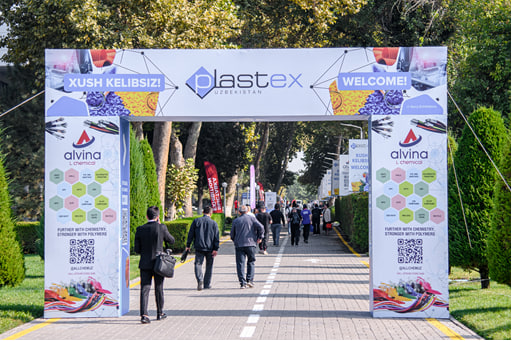
2025-10-15 506The 15th Anniversary International Exhibition on the Plastics and Polymer Industry – Plastex Uzbekistan 2025 will showcase its exposition September 23-25, 2025, utilising all exhibition halls of the Uzexpocentre Exhibition Complex.